
Collaborator on the Parts Creator Tool
MIDI Transfer Tool
Automatic Parts Creator
About James
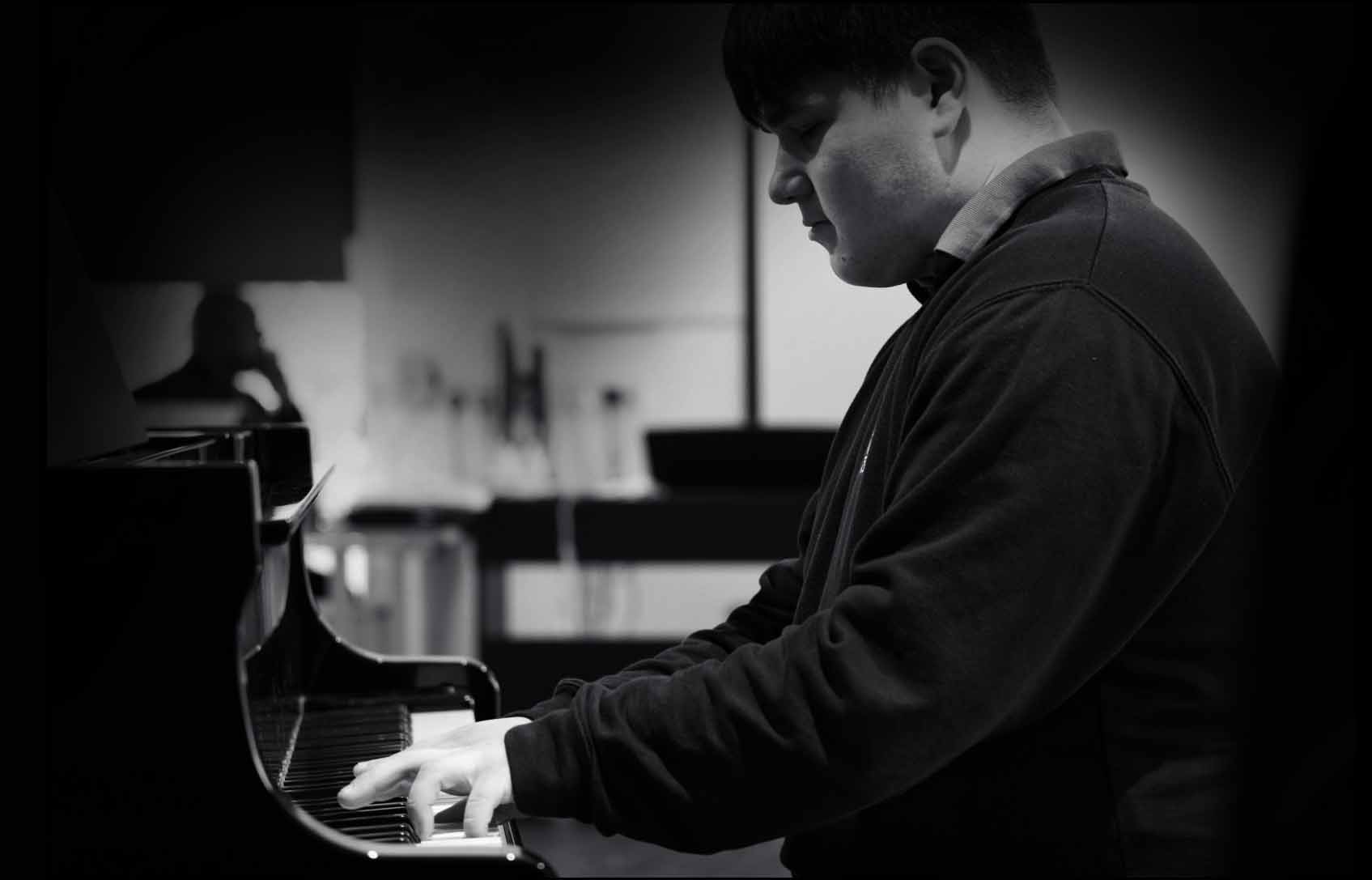
James Mazzocchi is a UK-based composer, orchestrator, and arranger, and a trainee music teacher. He holds a degree in Film Music from Leeds Conservatoire.
His work centres on writing music for a range of media, including film, visual projects, and collaborative work, alongside supporting students through teaching and practical music-making.
Through his academic training and classroom experience, he has developed a strong understanding of both the creative and educational sides of music.
Alongside this, James runs the record label MazzocchiMusic and is part of the composer trio Final Cue.
He regularly works with ensembles and students, preparing and arranging scores for rehearsals, performances, and coursework.
His experience spans both composing and the practical process of delivering music in a clear and usable format, which informs his approach to developing tools that simplify workflows and support composers, arrangers, and students in real-world settings.
The Midi Transfer Tool
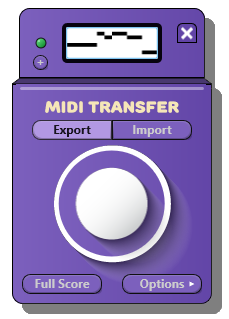
I created the MIDI Transfer Tool in collaboration with ScoringWorld to solve a problem I had repeatedly encountered in my own composing workflow: transferring MIDI data between Sibelius and a DAW.
The tool allows MIDI data to be transferred from Sibelius into any DAW and, importantly, from a DAW back into Sibelius, creating a much more flexible workflow between notation and DAWs.
Before creating this tool, there was no existing solution on the market that provided this functionality in the way I needed, meaning that transferring and editing MIDI between the two environments could be extremely time-consuming and frustrating.
Developing the tool has therefore massively improved my own workflow, allowing me to move between notation, orchestration and production much more efficiently and spend more time focusing on the creative side of composing.
The Final Cue Composition Group
I am also part of a composition group called Final Cue, which I formed with Eliot Rao and Marley Ellis-Brennan to collaborate on professional music projects and create original library music.
One of the ideas that came from our work together was the MIDI Transfer Tool, which Eliot and I developed in collaboration with ScoringWorld after identifying a gap in the market for a tool that could transfer MIDI data between Sibelius and any DAW in both directions.
Final Cue has also allowed us to work on larger projects, including Selves, a television series scheduled to be released on Prime in the coming months, as well as developing our own library music catalogue and professional portfolio.
The Automatic Parts Creator Tool
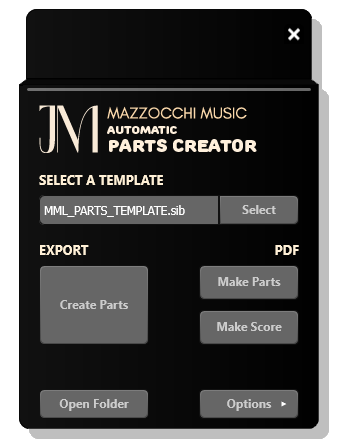
The Automatic Parts Creator grew out of direct experience working with scores in Sibelius, where a clean, performance-ready layout often means a lot of manual editing.
In particular, extracting parts and creating separate files for each instrument can be slow and repetitive, sometimes taking several hours for a single project.
That made it clear there was room to automate parts of the workflow and cut down on repetitive steps.
Watching how copyists work in professional settings underlined the same thing: a great deal of time still goes into part preparation tasks that could be streamlined.
The tool was built to speed up that work while keeping the level of detail and clarity you need for high-quality score and part delivery.
Who would you recommend this tool to?
It is aimed at anyone who lives in Sibelius and regularly prepares parts for other musicians.
That includes composers, copyists, arrangers, and educators who need clear, performance-ready materials for ensembles, orchestras, or students.
It is especially helpful in the final stages of a project, when part extraction and layout can become a bottleneck.
By automating those steps, it helps you work faster while keeping consistency across scores and parts.
Official Links
Website
www.jamesmazzocchi.com